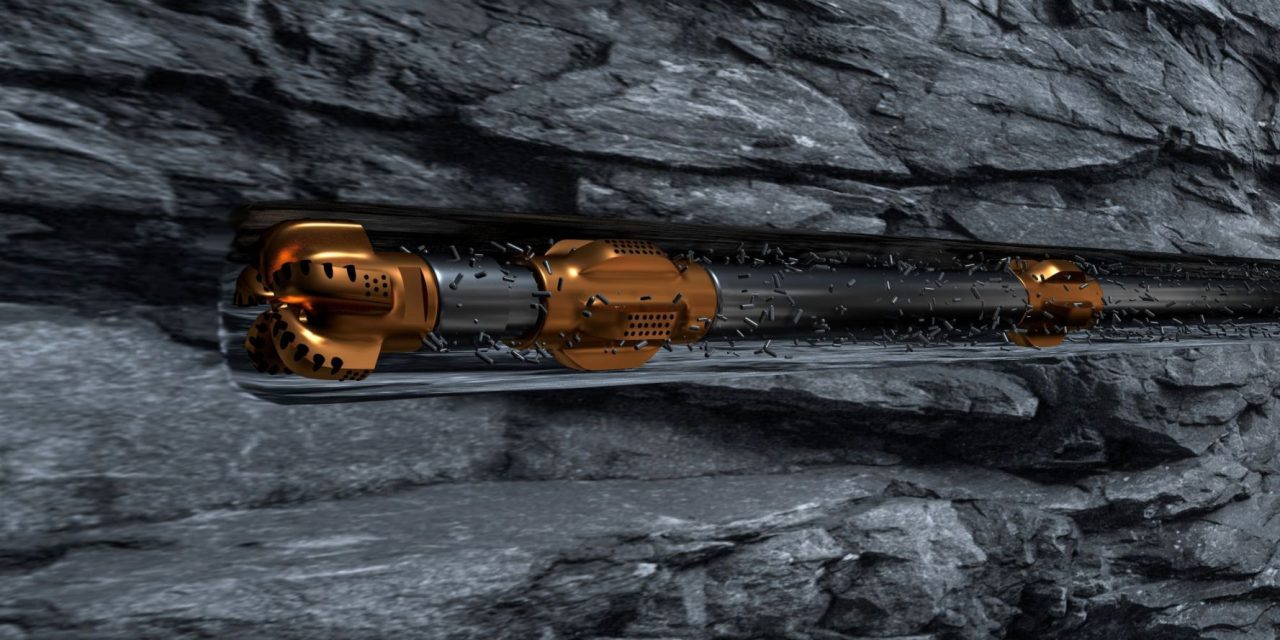
As mission-critical systems such as measurement-while-drilling (MWD) tools, pipeline inspection systems and tactical communications equipment become more sophisticated, batteries must deliver greater power in harsh environments. Meeting these demands requires engineers to balance electrical performance with long-term reliability. With this in mind, Keith Anderson, Senior Manager, Marketing & Customer Operations at Ultralife Corporation, explains why choosing between moderate-rate and high-rate battery cells is far from easy.
For many engineers, battery selection is not simply about identifying the most powerful or highest-capacity cell. Instead, it means balancing factors such as power output, energy density, durability and environmental resilience against the application’s demands.
One of the most important decisions is selecting the right cell construction, whether moderate-rate or high-rate, as each offers distinct advantages and limitations.
Understanding the trade-offs
Every battery design involves compromise. While it may be tempting to focus on power output alone, engineers must also consider environmental conditions, runtime, reliability and the application’s physical constraints. The best-performing battery on paper may not be the most suitable in the field.
MWD tools are a prime example. The battery must power sensors and communication systems while operating thousands of feet underground, where it is subjected to constant vibration, mechanical shock and elevated temperatures. Pipeline inspection equipment operates over long distances in confined environments, where batteries must reliably power inspection sensors and onboard electronics throughout each inspection run. Meanwhile, modern tactical communication platforms depend on reliable battery power to support voice, data, and situational awareness systems in harsh operational environments, where equipment is exposed to shock, vibration, temperature extremes, and other environmental stresses.
In advanced applications such as MWD, engineers may also need to consider factors beyond power and durability, including magnetic signature. Electromagnetic telemetry systems rely on weak magnetic signals travelling through surrounding rock formations, meaning battery technologies with a low magnetic signature can help minimize interference with communications.
Whatever the application, one thing is clear: battery performance is about more than supplying electrical power.
Moderate-rate or high-rate?
The trade-offs between moderate-rate and high-rate cells stem from their construction.
High-rate cells use a spiral-wound, jelly-roll like design, where the electrodes are tightly wound together. This maximizes electrode surface area, enabling higher current delivery and superior pulse performance.
Unlike high-rate spiral-wound cells, moderate-rate cells utilize a stacked and folded electrode design that emphasizes durability and reliability. This robust construction provides an effective balance of power and energy while offering superior resistance to shock, vibration, and other demanding environmental conditions.
Ultimately, the choice between the two is less about identifying which is “better” and more about understanding which technology best suits the application. High-rate cells are often specified where maximum power is the priority, while moderate-rate cells remain the preferred option where long-term durability and dependable operation are crucial.
Beyond cell performance
The choice of configuration has implications beyond battery performance. Engineers should consider how the selected design affects the battery pack, including its size, weight and the number of cells needed to achieve the desired output. In some applications, greater power capability can reduce the total cell count, creating opportunities for more compact battery packs while freeing valuable space for additional sensors and electronics.
As industrial equipment evolves, battery technologies are also advancing to reduce some of the traditional compromises associated with cell selection. Hybrid designs, for example, combine elements of moderate-rate and high-rate construction to deliver enhanced power while maintaining the ruggedness needed in more demanding settings.
Ultralife developed its hybrid HR Series with this balance in mind. By combining the robust construction of moderate-rate cells with the enhanced power and pulsing capability of high-rate cells, the HR Series gives engineers another option when the two conventional designs do not fully satisfy an application’s requirements.
Ultimately, successful battery selection is about understanding the complete operating environment rather than focusing on a single specification. By carefully balancing power requirements with factors such as shock, vibration, temperature, runtime and system constraints, engineers can select a battery configuration that delivers the best overall performance for the application.
To learn more about Ultralife’s range of specialist battery technologies for demanding applications, visit the company’s website https://ultralifecorporation.com/
Read other recent UK Manufacturing news: https://uk-manufacturing-online.co.uk/category/news/