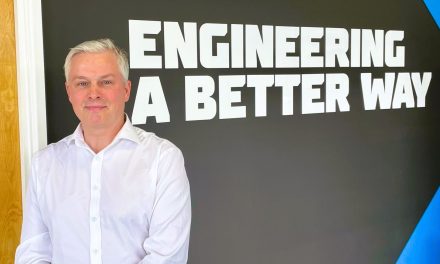
Leena Rinne, VP of Leadership, Business, and Coaching at Skillsoft
The UK manufacturing sector is grappling with a growing challenge: retaining employees amid rapid technological change and rising labour costs. This year marked a strategic shift toward prioritising retention strategies like enhanced benefits and shift premiums to keep skilled talent on board. Yet, despite these efforts, one group remains consistently overlooked – the frontline workforce.
Globally, 2.7 billion people work in customer-facing or essential operational roles, representing 80% of the workforce. In manufacturing, these include the machine operators, assembly line technicians and quality control specialists who keep production moving. However, only 47% of frontline employees feel recognised or valued at work. This disconnect is costly, as disengaged workers drive lower productivity and higher turnover rates, deeply impacting manufacturing companies.
This challenge presents a significant opportunity. Investing in personally relevant learning and development for frontline employees can transform engagement and retention, especially for shift-based workers who often lack access to traditional learning. So, what steps must the manufacturing sector take to meaningfully engage and retain its frontline employees?
Why traditional training misses the mark
Frontline employees rely on power skills such as emotional intelligence and time management to navigate day-to-day challenges, from dealing with customer complaints to managing peak production periods. Yet many frontline teams are struggling.
Traditional training programmes often fall short because they fail to reflect the realities and demands of the job, highlighting deeper cultural, communication and managerial gaps within organisations. Rapid technological change adds another layer of complexity: skills that were once essential can quickly become outdated, leaving managers hesitant to invest in training that feels temporary.
When employees feel stuck in roles with no growth prospects, motivation drops sharply. Organisations that fail to keep employees engaged risk losing them to competitors. Beyond retention, this becomes a reputational issue as disengaged and poorly trained operators can cause production delays, quality issues and safety risks – ultimately impacting customer experience, loyalty and brand perception. Investing in relevant, future-ready training that empowers frontline employees is critical for maintaining efficiency and reducing turnover.
The power of “whole person” development
To truly unlock frontline potential and improve retention, organisations must move beyond task-based and compliance training. Shift-based employees often have limited access to traditional development opportunities, so companies need to deliver personalised learning that addresses the full spectrum of their needs, covering both professional skills and personal growth.
This approach builds confidence, resilience and adaptability, which are essential for performance and creating a deeper workforce connection that drives long-term engagement. In today’s digital era, training must be short, accessible and immediately applicable so workers can learn during their shift without disrupting operations. That’s why mobile-first, bite-sized learning is gaining traction. It fits the realities of frontline work while offering flexibility and relevance. These programmes can be tailored to career stages, from onboarding new hires to preparing emerging leaders, creating clear pathways for advancement.
For the manufacturing sector, this is especially important. Operators and technicians need more than technical know-how; they need problem-solving, communication, and leadership skills to thrive in fast-paced, high-stakes environments. When employees see that their leaders are investing in their growth as whole individuals, they feel valued and motivated. This sense of personal investment and opportunity is a powerful driver of retention.
The importance of real-time feedback and adaptive learning
Organisations that prioritise learning consistently will see higher promotion rates and stronger loyalty than those that don’t. Feedback and adaptive learning make development more dynamic, personalised and measurable, reflecting the expectations of modern frontline workers.
Real-time feedback mechanisms, whether through quick surveys or one-on-one check-ins, create an open dialogue that helps employees feel valued and involved in decision-making. This sense of involvement fosters trust, engagement and productivity. Immediate guidance ensures employees stay aligned with learning objectives and organisational goals.
Adaptive learning takes this further by tailoring content to each individual’s progress and skill level. Instead of static modules, employees receive exercises and support that evolve with their performance, making education interactive and relevant. This not only accelerates skill growth but also ensures training remains meaningful and engaging.
Building a culture of talent retention
Employee retention is about more than reducing turnover. It’s about creating an environment where people feel valued, engaged and motivated to contribute to long-term success. For frontline workers, that means access to training, mentorship and clear career pathways.
Manufacturing companies that invest in these areas send a message that they’re committed to their employees’ future. Targeted development opportunities not only attract talent but also prevent employees from seeking growth elsewhere. When workers feel empowered, they stay, and that stability drives productivity, customer satisfaction and a workforce that’s skilled and ready for the future.
Read other recent UK Manufacturing news: https://uk-manufacturing-online.co.uk/category/news/