Every generation of tradespeople eventually asks the same question: Is this trade still worth committing to? For young sheet metal workers especially, that question feels heavier today. Shops slow down. Automation keeps advancing. Other trades electrical, plumbing, HVAC start looking tempting. And when you’re just starting out, it’s easy to lie awake wondering whether you’re building a future or wasting time.
The short answer? Sheet metal stamping is not a dead trade. It’s a changing one and that distinction matters.
A Trade Bigger Than the Shop
One of the biggest misconceptions about sheet metal work is that it’s limited to shop fabrication. In reality, fabrication is only one slice of a very wide industry. Sheet metal work spans architectural cladding, commercial and industrial HVAC installation, roofing systems, stainless steel kitchens, welding, maintenance for large facilities, transportation infrastructure, marine and aviation applications, and precision components made through processes like metal stamping.
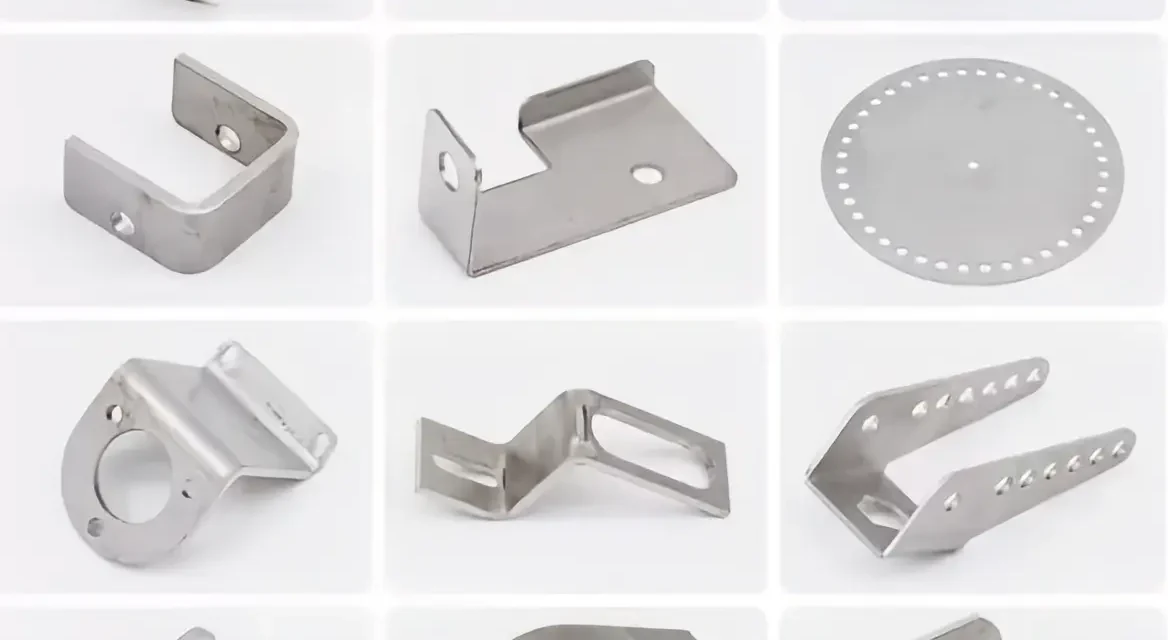
In manufacturing environments such as Fastenmetal, metal stamping is a clear example of how sheet metal skills continue to evolve rather than disappear. Stamping presses can efficiently produce brackets, clips, fastener components, and custom hardware in high volumes but they still rely on experienced engineers and technicians to design tooling, select materials, control tolerances, and ensure consistent quality. Without that expertise, automation quickly breaks down.See Fastenmetal’s metal stamping capabilities here: https://fastenmetal.com/metal-stamping-fabrication/
Automation: A Tool, Not a Takeover
Automation is real. CNC plasma tables, automated press brakes, coil lines, and layout software are already standard in many shops. But automation doesn’t equal replacement.
Machines still need skilled people to program them, maintain them, troubleshoot them, and understand how real world conditions affect fabricated parts once they leave the shop. Automation makes production faster and more consistent but it also raises the value of workers who understand both the software and the metal.
More importantly, stamping is only part of the picture. Field installation remains stubbornly human. Buildings aren’t square. Drawings aren’t perfect. Weather doesn’t cooperate. No robot can improvise duct routing in a cramped mechanical room, solve clashes on site, or adapt mid-install when conditions change. The more complex and customized a project becomes, the harder it is to automate.
In other words: automation doesn’t eliminate sheet metal work,it shifts where the skill lives.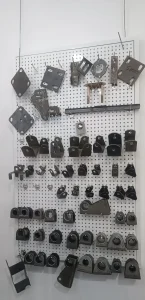
Shop vs. Field: Two Different Futures
For those worried about long-term stability, the field deserves serious consideration. Installation work is harder to automate, often offers more overtime opportunities, and exposes workers to a broader range of skills. Many who start in the shop eventually move to the field, gaining experience that makes them more versatile and more employable.
That doesn’t mean shop work is a dead end. Shops still need layout specialists, machine operators, automation techs, and experienced fabricators who understand how parts behave beyond the drawing. The strongest careers often belong to people who understand both sides.
Comparing Trades: Sheet Metal vs. Electrical and Plumbing
Electrical and plumbing are solid careers, but they aren’t automatically “better.” Both often involve more underground work, heavier materials, trenching, and physically punishing tasks. Sheet metal, by comparison, tends to involve lighter materials, less excavation, and more options to transition into shop, field, or specialty roles over time.
Every trade has its wear and tear. The question isn’t which one is easy.it’s which one fits your strengths and long-term goals.
Certification Matters More Than You Think
Completing your apprenticeship and earning a recognized journeyman qualification is one of the most powerful forms of career insurance available in the trades. That credential travels with you. Even if you later pivot into another specialty or another industry entirely. You’ll always have a skilled trade to fall back on.
Many people regret walking away too early. Very few regret finishing their ticket.
Wages, Benefits, and the Long Game
Early years can feel discouraging. Wages aren’t peak yet, and progress feels slow. But over time, certified sheet metal workers often reach comfortable, stable incomes,especially those willing to learn advanced skills, work maintenance roles, travel for projects, or step into leadership.
A “comfortable life” isn’t built overnight. It’s built by stacking skills, credentials, and experience year after year. Sheet metal offers multiple paths to do exactly that.
The Real Question to Ask Yourself
The most important question isn’t “Will this trade exist in 30 years?”
It’s “Do I enjoy this work enough to get good at it?”
Enjoyment matters more than people admit. Those who like the work tend to specialize, adapt, and rise with the industry. Those who hate it burn out even in high-paying trades.
If you find sheet metal engaging, challenging, and satisfying even now that’s not nothing. That’s data.
Final Thoughts
Sheet metal fabrication isn’t disappearing. It’s evolving toward smarter production, higher precision, and closer integration between shop manufacturing and field installation. Metal stamping, as used by companies like Fastenmetal, is part of that evolution, not a threat to it. Stamped components such as concrete embeds are a good example of how traditional sheet metal knowledge is being applied through modern manufacturing to deliver consistent, high quality parts used every day in mechanical and structural systems.
The future belongs to tradespeople who understand both hands on craftsmanship and modern manufacturing. Finish the journey. Build the skills. The opportunities will follow.
Read other recent UK Manufacturing news: https://uk-manufacturing-online.co.uk/category/news/