British consumers are far more likely to support clearer labelling and better visibility for UK-made goods than “unfair” import restrictions or tariffs, according to new YouGov data.
The findings, commissioned by Made in Britain, suggest that while support for British manufacturing continues to grow, consumers favour practical measures that help them identify and buy UK-made products – rather than policies designed to limit imports or reduce consumer choice.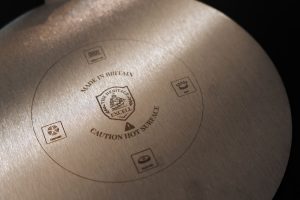
Only 13% of consumers surveyed said that import tariffs on foreign-made products would make them more likely to buy British-made goods. Meanwhile, just 17% said that reducing the availability of imported products would encourage them to buy products manufactured in the UK, down from 20% in 2025.
Instead, the findings point towards stronger support for positive incentives and clearer retail visibility. More than a third of consumers (34%) said tax incentives for UK-made products would encourage them to buy British goods, while 46% said clearer labelling to help identify UK-made products would make them more likely to buy British. Additionally, 48% said greater availability of UK-made products on shelves would encourage them to purchase more products manufactured in the UK.
The research suggests that consumers increasingly associate British-made products with trust, quality and authenticity, but want the freedom to make those purchasing decisions themselves rather than through restrictive trade measures.
For Mathmos, the company that invented the Lava Lamp in 1963, being British is an important part of their brand because it is something customers value both in the UK and around the world.
Cressida Granger, CEO of Mathmos said: “Mathmos is known for quality, design and heritage. Making our lava lamps in Britain is central to who we are. It gives every lamp an authenticity that people value, and it is part of what makes a Mathmos lava lamp a premium product. We have been making lava lamps in Britain since 1963, which is something I am immensely proud of.
“There is real value in the Made in Britain mark. We proudly display the Made in Britain trademark on our website and on our original 1960s designs. The logo itself is well conceived, so you can use it in lots of different ways. I have supported the Made in Britain campaign since its beginning because it helps communicate the craftsmanship, quality and heritage that define Mathmos.
“Our glass bottles are made in Yorkshire before they come to our factory in Poole, where every lava lamp is filled by hand. The metal components are spun by specialist manufacturers here in Britain before they are assembled and sent to customers around the world.”
This sentiment that clear branding and labelling improve uptake among British customers is shared across sectors. Recently, Portsmouth-based metal fabricator Excell Metal Spinning celebrated the launch of ‘The Heritage’ range of copper cookware. Handcrafted and 100% British, the pans prominently display their Made in Britain credentials, with their website and branding showing where each part of the product was made. This includes the handles, which were cast in Fareham, the tin lining, which was made in Cannock, and even the tissue paper for the packaging, which was made in Preston.
Curtis Bligh, Head of Marketing Communications for Excell Metal Spinning, said: “The Heritage range of artisanal pans from Excell Metal Spinning is totally sourced and made in Britain. This is a collective of British manufacturers coming together to produce a unique product.
“The Made in Britain accreditation gives us a tangible advantage in a very competitive market. It underpins that we’re perceived as high quality, entirely ethical in our practice, and innately sustainable in what we do. That’s what that Made in Britain mark really stands for: it really means something, and that’s why we have it laser-engraved onto our exclusive new range of celebrity-chef-approved pans.”
The interest in British-made products isn’t limited to consumers, however, with the majority of Made in Britain’s 2,250 members having a B2B (business-to-business) focus. One of those is a Gloucestershire-based manufacturer of solar battery and inverter covers.
Harry Lovell, Founder of Battery Covers Ltd, said: “I’ve personally always been more inclined to purchase from companies with the Made in Britain certification, because it’s rare to see products made in this country and I want to support my fellow countrymen and women.
“We plan to use the trademark on our packaging and branding to hopefully find more people like myself that’ll be more likely to purchase from a British company.”
John Pearce, CEO of Made in Britain, said: “Consumers want to buy British, but they want to do so because they trust the quality and provenance of UK-made products, not because they are being forced to by being presented with fewer choices – that would be quite unfair indeed. The message from shoppers is clear: make British-made goods easier to identify and more visible on shelves, and people will back them.
“That’s exactly why genuinely British manufacturers should bear the Made in Britain trademark on their products – so their customers can easily see it and make a conscious choice to support British manufacturing while benefiting from clear quality and supply chain transparency.”
With more than 2,250 manufacturers now using the Made in Britain trademark, the organisation continues to call for improved visibility and promotion of British-made goods across retail environments, helping consumers more easily identify products manufactured in the UK.
For more information on the Made in Britain campaign, visit www.madeinbritain.org.
Read other recent UK Manufacturing news: https://uk-manufacturing-online.co.uk/category/news/