Technology has been impacting manufacturing for many years, seeing output increasing, and jobs decreasing. And AI is only set to drive this trend.
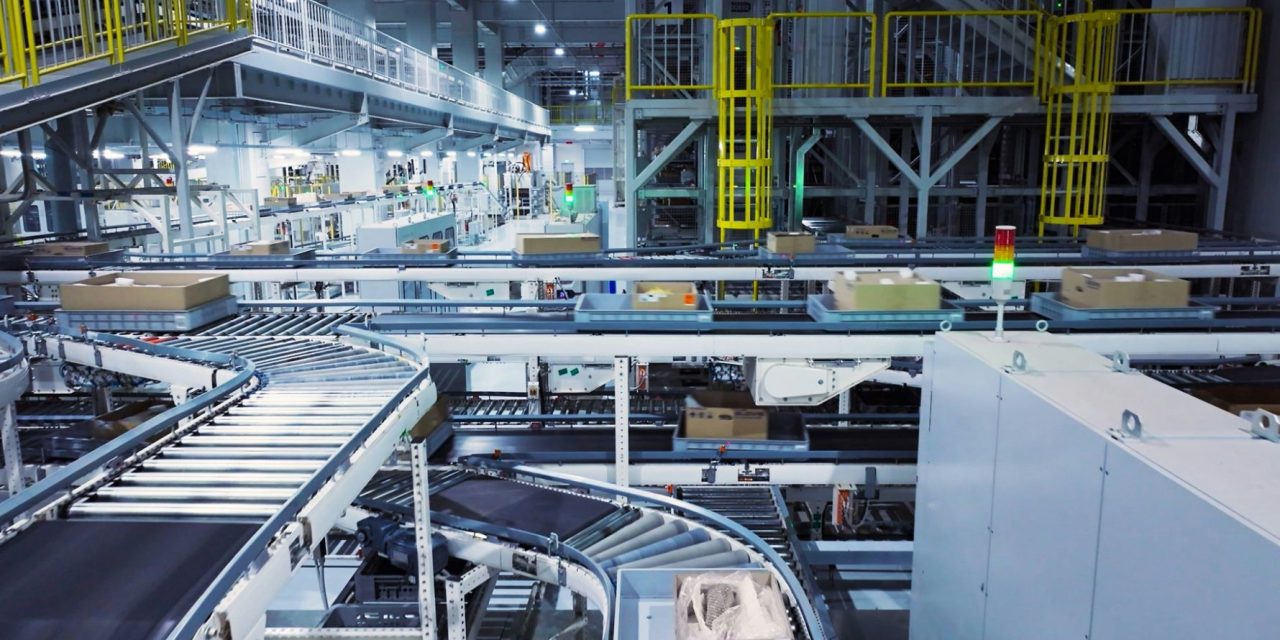
The obvious benefit of AI is enhanced automation, which has the power to further streamline production processes, enabling machines to handle repetitive tasks with precision and speed, reducing the need for manual labour in certain roles.
On the flip side of this, however, AI-powered robotics and smart systems are also facilitating greater collaboration between human workers and machines. Collaborative robots, known in the business as Cobots, are designed to work alongside employees, enhancing productivity without replacing jobs entirely. This shift requires staff to adapt, with a growing emphasis on digital skills and technical expertise, putting a burden on HR managers who must support the overall business in achieving a positive mindset to change.
AI in manufacturing can also improve decision-making by providing real-time data analysis and predictive insights. Workers can respond faster to equipment failures or production issues, reducing downtime and increasing efficiency, and predictive maintenance, powered by AI, helps prevent breakdowns by identifying potential issues before they occur, improving the reliability of operations.
Propel Tech, which partners with manufacturing businesses to develop and maintain their bespoke software, has seen, first hand, how companies are adapting their recruitment and staffing processes to cope with the challenges and benefits of generative AI. New AI-driven roles being created for the manufacturing industry include:
-
AI Systems Engineers who develop and implement AI-driven automation solutions
-
Predictive Maintenance Analysts who use AI to anticipate equipment failures
-
Robotics Technicians focus on programming and maintaining AI-powered robots
-
Data Scientists analyse production data to optimise processes
-
AI Integration Specialists manage the integration of AI technologies into existing manufacturing systems
David Ritchie, founder and director at Propel Tech, comments: “There are a very few industries, if any, that aren’t being impacted by AI in some shape or form, and used correctly, it can transform productivity and processes.
“We’re repeatedly hearing that AI isn’t going to replace people anytime soon, and I completely agree with this. However, companies must be prepared to embrace AI-powered solutions, and upskill and shape their teams accordingly to take advantage of all of the benefits it has to offer.
“Artificial intelligence is shaking up the jobs landscape for many sectors that may have not experienced change like this for several decades – and if companies can capitalise on this change, it will mark an exciting time for recruitment, career opportunities, team structures and people development within their businesses.”